The Best Competitive Strategies for Modern Rummy Players
17 July 2026 | 60
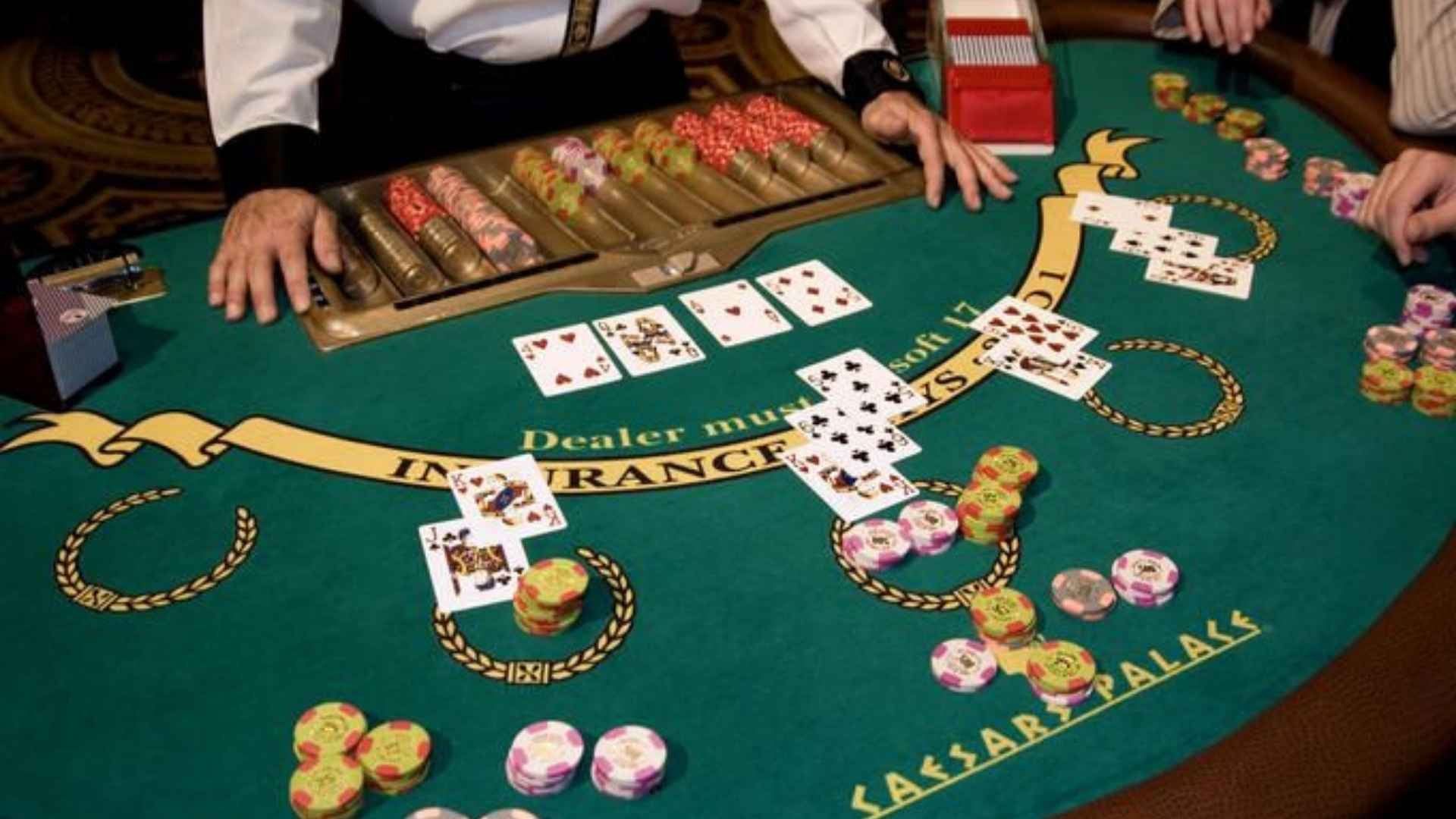
The modern digital landscape has completely transformed how card enthusiasts engage with classic rummy. Transitioning from a casual pastime to a highly competitive mental sport requires a shift toward structured decision-making and calculated risk. To stay ahead of skilled opponents in online arenas, contemporary players must adopt sophisticated tactics that go beyond basic card matching.
Advanced Card Tracking and Memory Building
One of the most defining characteristics of an elite rummy competitor is the ability to closely track discarded cards throughout the game. By memorizing what your opponents pick up and throw away, you can construct a clear picture of their target sequences. This preventive tracking ensures you do not accidentally discard a crucial card that hands them an immediate victory.
Furthermore, maintaining a mental log of the deck's remaining cards allows you to calculate the exact probability of completing your own melds. Modern competitors often practice visualizing the layout of unseen cards to sharpen their analytical speed under tight tournament clocks. Developing this habit transforms raw intuition into a structured, mathematical approach to every hand.
Strategic Discarding and Decoy Tactics
Mastering the discard pile is just as important as managing the cards currently held in your hand. Successful players often employ decoy tactics, throwing away cards that mimic a sequence they do not actually need to confuse onlookers. This psychological maneuvering can bait opponents into releasing the exact cards you require to finish your melds.
Additionally, utilizing a reliable M88 link to access professional tournaments can provide the perfect training ground for testing these advanced bluffing methods against global participants. Consistently playing against diverse opponents exposes you to unique defensive patterns that refine your overall tactical versatility. Over time, adjusting your discarding speed and rhythm becomes a powerful tool for controlling the flow of the match.
Dynamic Hand Management and Timely Drops
Knowing when to fold or drop a weak hand is a critical skill that separates long-term winners from temporary players. In highly competitive structures, holding onto a poorly distributed hand out of stubbornness often leads to massive point penalties. Accepting a minor, fixed penalty through an early drop preserves your overall tournament standing and chips for better rounds.
As the game progresses, you must remain flexible and prepare to pivot your strategy if your initial plan stalls. This dynamic flexibility means converting a potential sequence into a different run when the necessary cards fail to appear. Staying adaptable under pressure ensures you remain competitive even when the initial deal is unfavorable.
Maintaining Mental Discipline Under Pressure
The psychological aspect of professional card tournaments is frequently underestimated by novice players. Emotional discipline prevents impulsive moves that often occur when players get frustrated by a series of poor card draws. Successful competitors cultivate a calm, methodical routine that keeps their focus entirely on logical analysis rather than emotional reactions.
By treating every round as an individual puzzle, you can maintain high concentration levels across long playing sessions. Combining sharp card-tracking skills, psychological adaptability, and consistent emotional control forms the ultimate toolkit for modern victory. Dedicating time to regular practice will naturally build the confidence needed to dominate any digital card arena.