How to Master Texas Hold'em from the Ground Up
16 July 2026 | 79
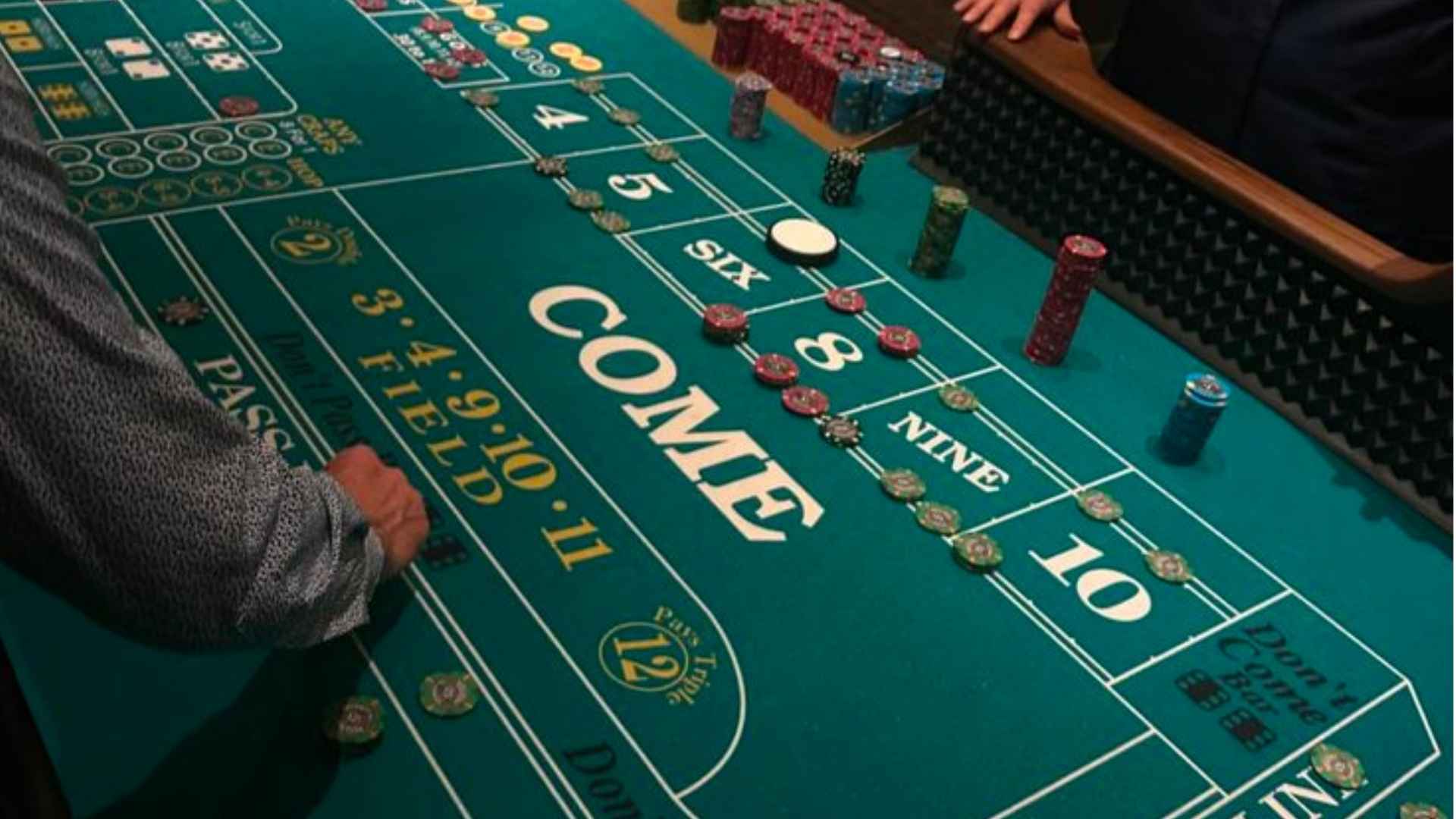
Embarking on the journey to master Texas Hold'em requires a commitment to understanding both the fundamental mathematics and the psychological elements of the game. While many beginners rely on basic luck, true expertise is built on a foundation of disciplined decision-making and continuous observation. Developing these core skills will allow you to navigate complex table dynamics and secure consistent profits over time.
Building a Solid Pre-Flop Foundation
Every successful poker journey begins before the community cards are even dealt. Selecting the right starting hands prevents you from entering difficult post-flop situations with weak cards. By playing a tight and aggressive style from the start, you naturally put yourself at a statistical advantage over your opponents.
In addition to hand selection, your position at the table plays a crucial role in your pre-flop strategy. Acting last gives you the benefit of seeing how other players react before you have to make a choice. If you want to practice these foundational positioning skills, finding a reliable platform via an M88 link can offer a great gateway to active online tables.
The Mathematics of Pot Odds and Equity
Mastering the game of Texas Hold'em is impossible without a basic grasp of probability and pot odds. You must learn to calculate your outs, which are the remaining cards in the deck that can improve your hand. Comparing these outs to the size of the bet helps you determine whether calling is a mathematically profitable decision.
Understanding equity allows you to make calm, calculated decisions rather than emotional guesses during high-pressure moments. Over hundreds of sessions, players who rely on mathematical equity will always outperform those who play on pure intuition. Cultivating this analytical mindset is what truly separates casual players from dedicated strategists.
Reading Opponents and Deciphering Ranges
To transition from a basic player to a true master, you must shift your focus from your own cards to the hands of your opponents. Instead of attempting to guess their exact two cards, skilled players assign their adversaries a range of likely hands. This range is constantly refined based on their betting patterns, position, and physical tells.
Observing how players react to different board textures provides valuable clues about their overall strength or vulnerability. For example, a sudden change in an opponent's bet sizing often signals a shift in their strategic comfort level. Paying attention to these subtle details allows you to execute well-timed bluffs and maximize your value bets.
Disciplined Bankroll Management
Even the most brilliant strategic mind cannot survive the natural variance of poker without strict financial discipline. Bankroll management ensures that a temporary run of bad luck does not completely eliminate your playing funds. You should view your poker bankroll as a dedicated business tool that is entirely separate from your daily living expenses.
A standard guideline for cash games is to keep at least twenty to thirty full buy-ins for the specific stakes you choose to play. This protective buffer reduces the emotional stress of losing a hand and allows you to play your best game. Making decisions based on strategy rather than the fear of losing money is the ultimate hallmark of a winning player.